

We're all familiar with the term organic by now. But what is regenerative agriculture? And why is it important? Healthy soil. Although there's no single, universally accepted definition, the main focus of regenerative agriculture is soil health. Essentially, it means growing plants in healthy soil by:
Do not plow. Plowing or tilling can destroy the natural structure of the soil, causing it to lose its healthy microbes and become infertile. Leaving the soil undisturbed allows for better water absorption and a richer organic environment, which supports strong, healthy plants. Keep the soil covered. Because the soil's essential nutrients are located in the topsoil, these nutrients are lost over time if the soil is left bare. Often, "cover crops" are planted alongside the main crops to keep the soil covered and protected from erosion and nutrient loss. Grow diverse plants. If all the crops planted in a field are the same, the soil can develop an excess of certain nutrients while lacking others. Allowing different types of plants near the main crops can help keep the soil microbiome diverse and healthy. They can also deter pests, thus reducing the need for pesticides. Do not use chemicals or additives. Whether pesticides or fertilizers, additives can disrupt soil health in countless ways by disrupting the microbiome. In some cases, regenerative farms simply use fewer chemical fertilizers and pesticides. That's why it's important to look for teas that are both organically and regeneratively produced. Integrating animals. Instead of using chemical or processed fertilizers, allowing wild or organically raised animals to graze in the fields and fertilize the soil is a completely natural way to enrich and enhance the soil microbiome. Maintaining healthy environments and communities. Without a thriving natural environment and a healthy community of like-minded farmers who protect and preserve the plants and soil, there would be no regenerative agriculture.
Environmental Benefits: Not plowing and keeping the soil covered means less erosion. Why do we want less erosion? The topsoil contains most of the essential nutrients, but it's also the part most easily washed away by wind and water. When soil is washed away by water, it flows downstream, and the sediment can cause flooding. This devastates entire communities and their livelihoods. It has also become a serious global problem, as more and more land becomes unsuitable for agriculture while populations continue to grow. Historically, over-plowing has led to disasters like the Dust Bowl in the 1930s, when poor soil practices, along with drought, high temperatures, and strong winds, reduced agricultural yields and exacerbated the Great Depression.
Soil erosion also means less soil is available to absorb carbon dioxide from the atmosphere (soil can potentially store about 5% of greenhouse gas emissions caused by human activities each year). And it means less fertile land for plants that absorb carbon dioxide, which we actually need more of as global warming worsens.
What else contributes to healthy soil? And what does healthy soil contribute to the environment? Various
Plant species growing among the main crops release a wider variety of carbohydrates into the soil. These attract a wealth of microbes that feed on them, a process that in turn produces abundant nutrients. This reduces the need for synthetic or processed nutrient additives. A rich microbiome also naturally attracts more insects, birds, and wildlife by providing them with an environment in which to thrive.
Similarly, when animals are allowed to graze among the plants, they can further enrich the soil with their droppings and simultaneously control unwanted weeds by eating them. In turn, organically raised, free-range animals produce better and more nutritious meat and eggs. This also means they are raised humanely and come from a source that contributes to a healthier environment. In other words, they are better for your health and the health of the planet.
It is obvious that these practices can only be carried out by farmers who truly understand and value them and who deserve fair wages that allow them to continue this work, which often requires more labor and investment than non-regenerative agriculture. Being part of this community means not only practicing and supporting these methods, but also being nourished by them. It means being part of the entire ecosystem.
In short, healthy plants come from healthy soil, and healthy soil is created by minimizing human intervention, using organic matter, and allowing plants to thrive in as much pristine natural diversity as possible. This is the heart and soul of Wild Orchard Green Tea – hence our name, Wild Orchard – which we will explain further in our next post. Stay tuned!
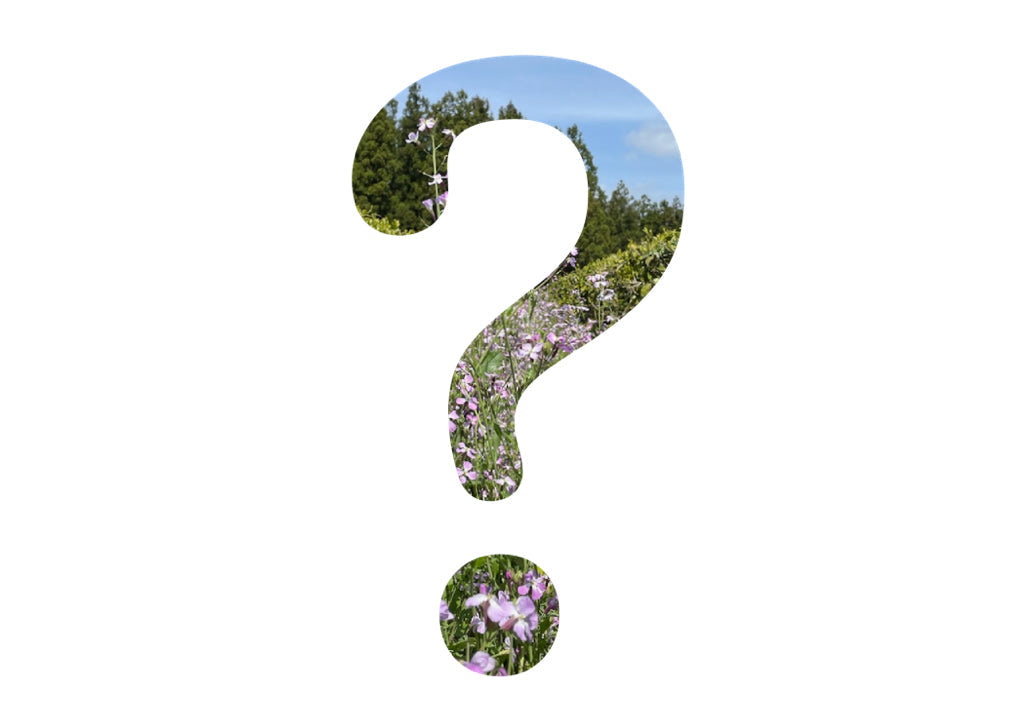
Wildflowers grow among the tea trees on Wild Orchard's regenerative, organic partner farm.

Here is a short video that clearly explains soil health and its effects:
And if you have an hour to spare, here's an excellent video that explains regenerative agriculture in detail. Make yourself comfortable, brew a cup of green tea, and enjoy!
Sources for this article:
https://www.wri.org/insights/causes-and-effects-soil-erosion-and-how-prevent-it
https://drought.unl.edu/dustbowl/Home.aspx
https://news.mongabay.com/2018/03/keeping-carbon-in-the-ground-can-cut-emissions-and-boost-food-security/
https://rodaleinstitute.org/why-organic/organic-farming-practices/livestock-management/
https://www.climaterealityproject.org/blog/what-regenerative-agriculture